Foam mattresses are designed to contour to the body's shape, providing targeted support and pressure relief across the sleep surface. These mattresses often use memory foam or polyurethane foam layers that respond to body heat, promoting even weight distribution. Key features include motion isolation, durability, and varying density foams to optimize comfort and support for different sleepers.
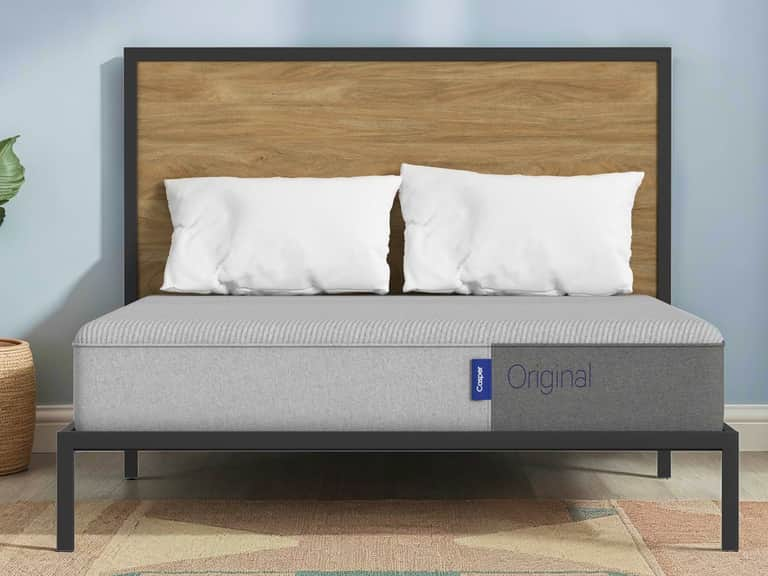
Original Mattress emphasizes adaptive foams that conform to curves while maintaining spinal alignment. It typically combines supportive base foams with softer transition layers to reduce pressure points. Functional benefits include reduced motion transfer, improved long-term comfort, and compatibility with a range of bed frames and foundations in various sleeping positions.
Element Mattress focuses on a balanced foam construction that emphasizes cooling properties and responsive support. This model often incorporates advanced foams with open-cell structure to enhance airflow, reducing heat buildup. Its design supports diverse sleep styles, from back to side sleepers, while maintaining a stable surface for uninterrupted rest.
Within foam mattress technology, memory foam pillows and complementary bedding like sheets can enhance overall sleep quality by improving alignment and comfort. Organic mattresses within the foam category may utilize natural materials and low-VOC foams, aligning with health-conscious bedding practices. These features contribute to a restful environment and healthier sleep routines.
Understanding the differences between foam densities, support cores, and comfort layers helps users select a mattress that matches personal preferences and body requirements. When evaluating foam mattresses, consider density ratings, cooling claims, durability, and compatibility with existing bed foundations. This category highlights how foam compositions influence longevity, feel, and sleep satisfaction.
 Mattresses
